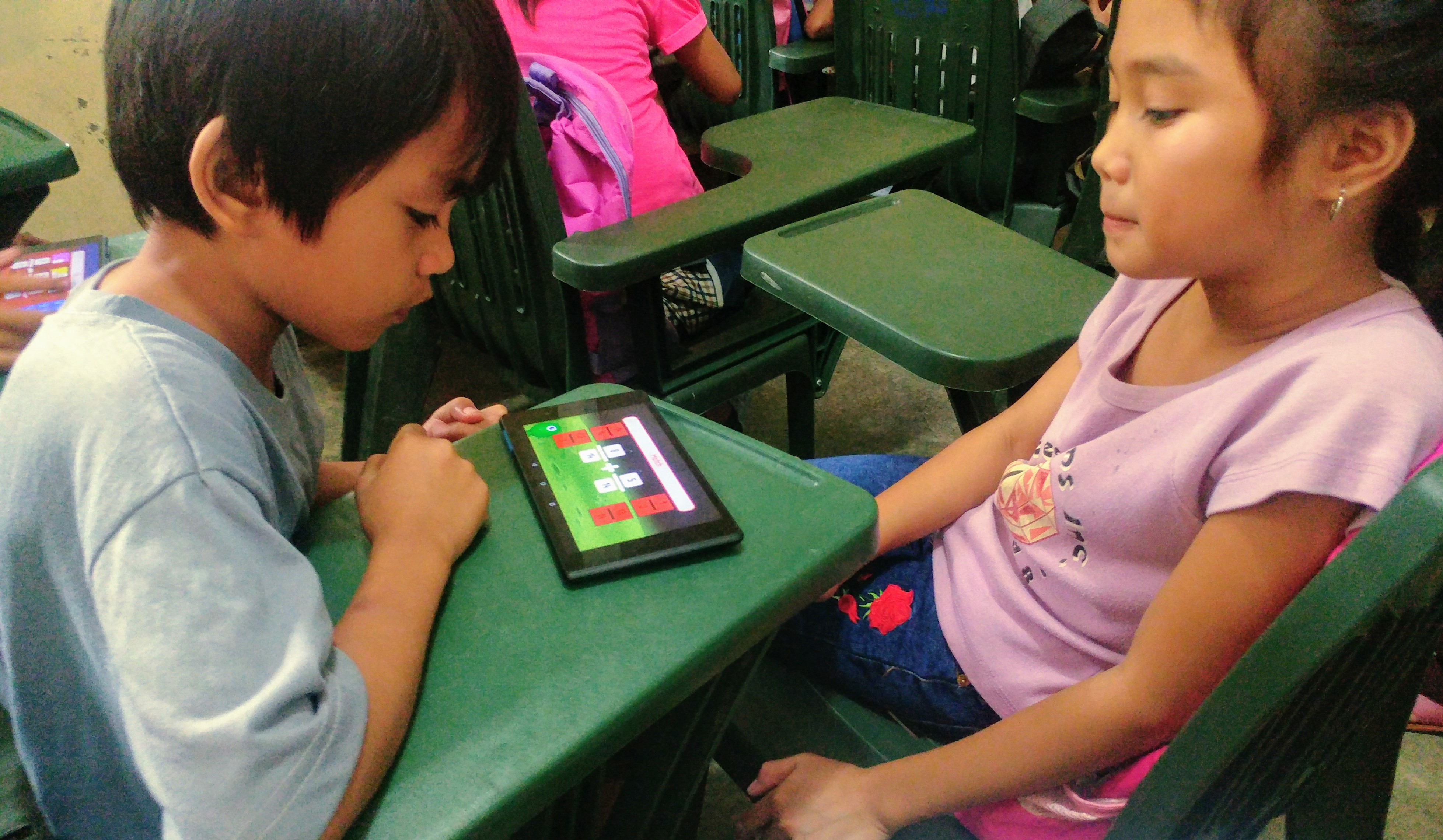
Empowering mothers from Banga, Aklan through Digital Literacy – Philippines



GFF volunteers, CDS staff, Mediciti Hospital Doctors and Nurses, and representatives from the Panchkhal Government
Over the past few visits to the women’s groups in Teen Gharey and Jareytar, the issue of a lack of healthcare in the region has been raised, as has the desire for a health camp. The women’s health is unchecked, and the local hospital is too far for the women to travel to. Teen Gharey and Jareytar have not had a health camp conducted in their area for a few years now. The women of the communities are very poor, have limited to no savings, and mainly work in the fields of Kavre.
The Problem
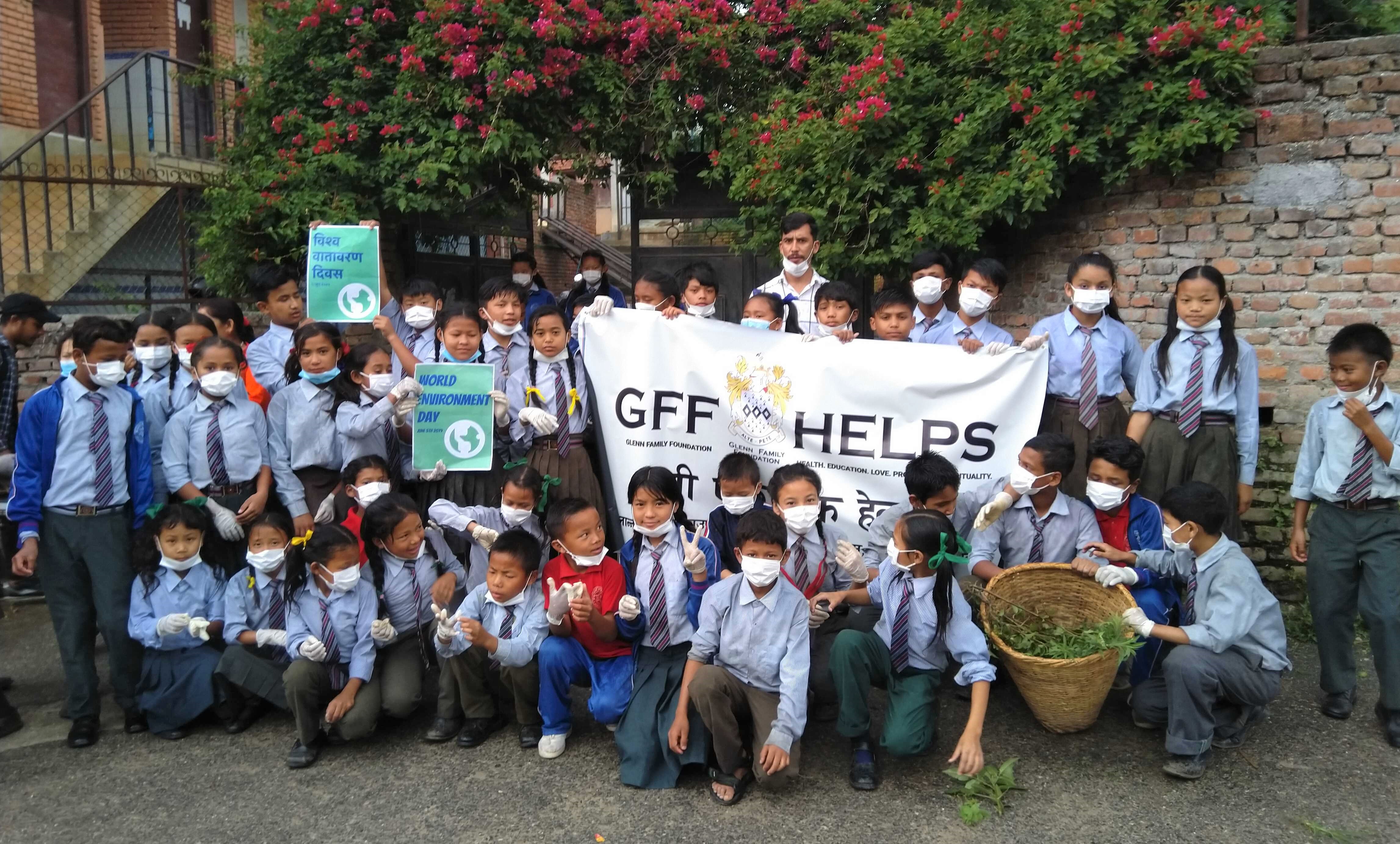
Kathmandu valley generates hundreds of tons of solid waste each day out of which more than 60% is organic, which could still be composted. But since garbage is not segregated, it adds to the amount of trash which poses a direct threat to human health and also the surrounding environment. Kathmandu does not have a proper waste management system or a recycling system currently in place.


Image: Pavithra Gunasekara (right) and first Sri Lanka GFF Representative, Tharaka Munidasa (left) standing at the entrance to SANASA Campus.
Hi there, my name is Pavithra Gunasekara. I am a recent graduate from SANASA Campus, Kegalle, Sri Lanka, having completed a Bachelor of Science in Regional Science and Planning. My degree programme was based on community development where I got the opportunity to engage and work with a SANASA Primary Society (local cooperative community groups). With their collaboration, I developed an “Integrated Rural Development Plan” for four years under five pillars: community empowerment, uplifting the low-income families, developing infrastructure facilities, improving education & health and developing the local cooperative community groups. The second project was on encouraging small to medium entrepreneurs in Makola South area by aiding credit finance.

In October 2018, GFF HELPS Philippines set out a new venture to bring light to those in need in the form of solar power in Madalag, a predominantly rural municipality in Aklan, Philippines. This area was chosen for the trial of the solar project after a long and careful consideration of necessity, accessibility and safety.
Access to electricity is a basic need in any household and the lack of it may affect an individual’s life in different ways. Families with no electricity will have shorter productivity as they heavily rely on sunlight during the day to do housework. At night, they would typically use kerosene in a glass bottle as light. This may be harmful to their health and a huge fire hazard, especially to houses made of bamboo and nipa (palm leaves). Students also find it difficult to do their homework without adequate lighting. By providing this necessity, we would not only help eliminate these problems but also create a safer place and turn a house into a home.
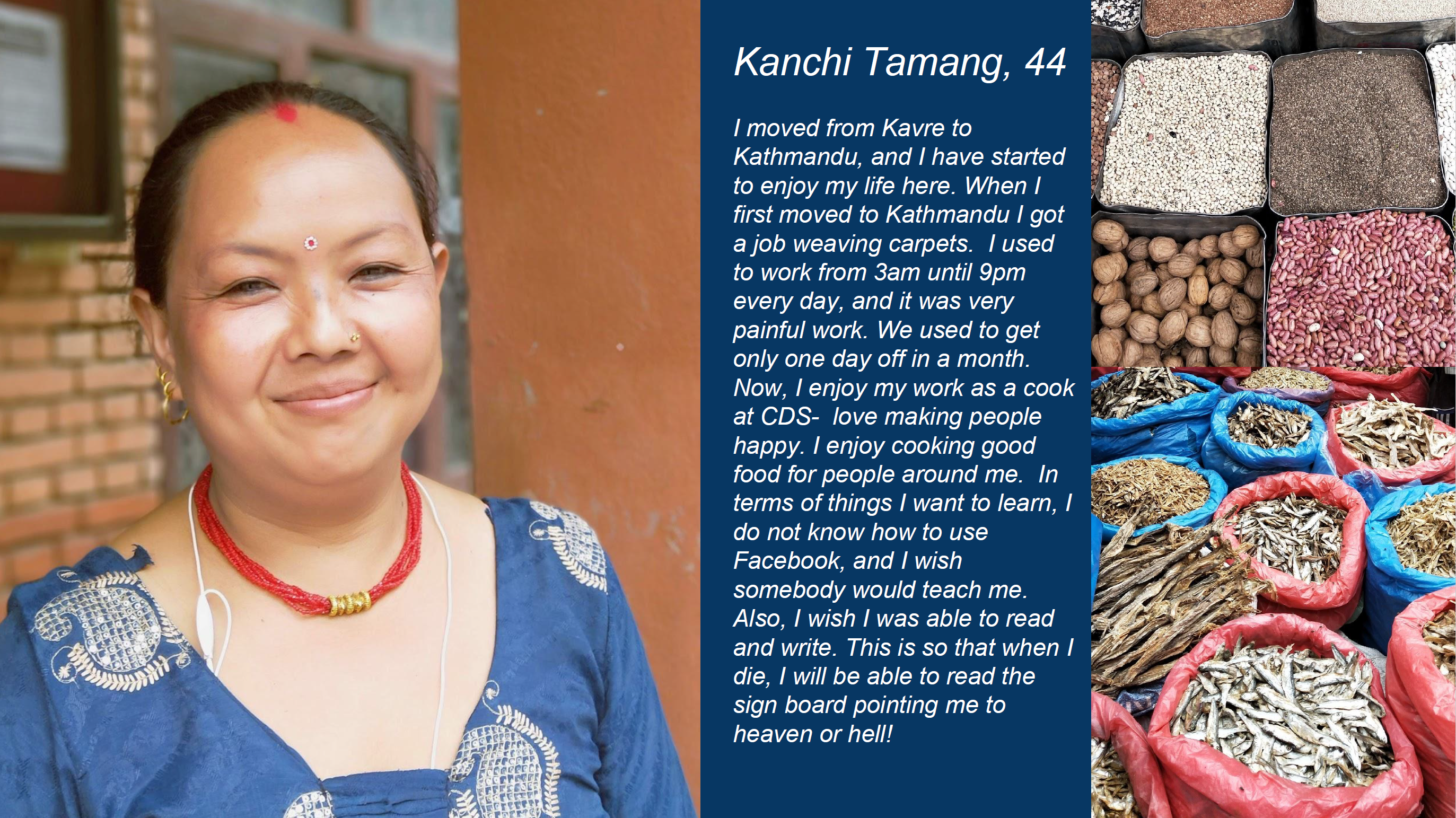
Image: Kavre resident, Kanchi Tamang, interviewed by GFF Representative Shona Warren.
GFF Representatives, Shona Warren and Sulochana Thapa, visited two rural villages in Kavrepalanchok, or ‘Kavre’ for short, last week as part of their research for the GFF Village Development programme. They were met by the local women in their special dress and talked to them to understand their way of life in the village, what their main sources of income were, and what the primary needs were.
The Kavre district is just east of Kathmandu and has a total population of 381 937. It was an area that was greatly affected by the 2015 earthquake. There are numerous concerns in the broader region.
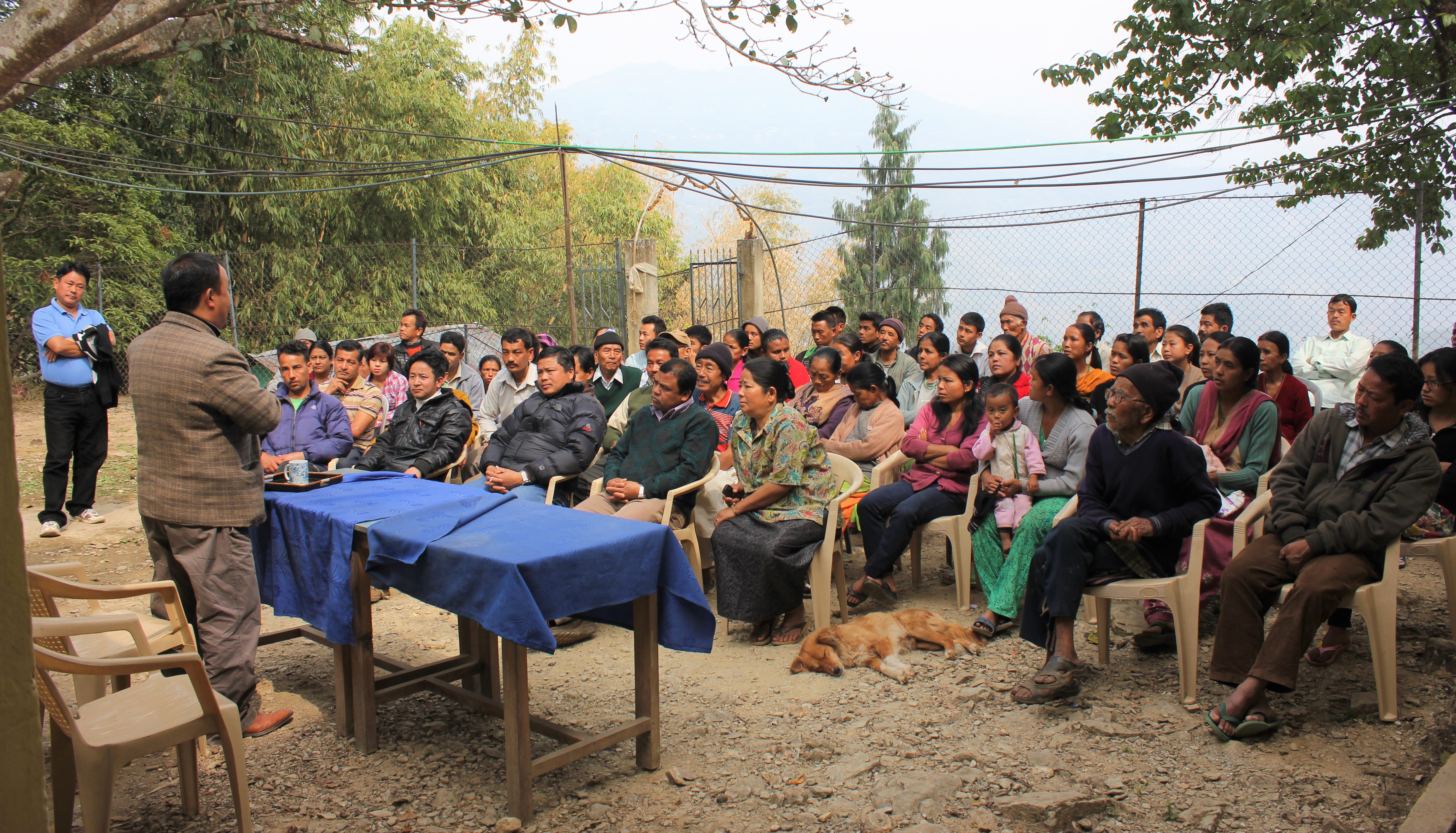
Saom Tshering Namchu of GFF India, facilitating a village meeting in Kalimpong, India
The Glenn Family Foundation supports charities, institutions and individuals around the globe in the upliftment of poor communities and alleviation of suffering. The philosophy of its founder is in offering a hand up, not a hand out, and in so building communities that are empowered, self-sustaining and proud.
The Foundation uplifts communities through its “Village Development Model” by providing them with sustainable access to their most basic needs. This includes but is not limited to access to clean water, access to solar power, improved sanitation to reduce incidence of disease and improved living conditions to foster a sense of pride.We also recruit international and local volunteers to enrich these communities through education, health initiatives, skills sharing and technical expertise. Our volunteers are enmeshed in these communities for a six month period to ensure they have a meaningful impact. The National Standards for Volunteer Involvement (2015) attest to the valuable contribution that volunteers make toward the attainment of an organisations goals by extending the capacity of the organisation through their time, skills, expertise and points of view. GFF works to embody these standards in all its engagements with volunteers and considers volunteers as a vital part of its strategy.


